A sticking brake caliper can be hard to catch early because the car might still stop fine. You may just notice a small change in feel, a smell you cannot explain, or a wheel that seems dirtier than the others.
If you know what to watch for, you can usually spot the pattern before it turns into a bigger brake job.
Signs You Might Feel Behind The Wheel
A sticking caliper often feels like extra resistance, almost like the car is not rolling as freely as it should. Some drivers notice the vehicle pulling slightly to one side, especially after a few stops. Others feel a mild vibration or a brake pedal that feels different after a longer drive.
Pay attention to when it happens. If the pull gets worse after braking and then fades while cruising, that points more toward brake drag than alignment. If the car feels fine cold but starts acting up once warmed up, heat buildup from a dragging pad becomes more likely.
Clues You Can Notice Without Tools
There are a few common giveaways that show up even if you never look under the car. One is a burned brake smell. A sticking caliper can create a sharp, hot odor after a drive, sometimes strongest near one wheel. Another is brake dust. If one front wheel looks much darker than the other, that corner may be doing extra work.
Heat is another clue, but be careful. Wheels and brake parts can get extremely hot. If one wheel area feels noticeably hotter than the others after normal driving, that is information worth sharing during service, but do not touch brake components directly.
Why Sticking Calipers Happen
A caliper sticks when the piston does not retract properly, or when the slide pins and hardware are not moving freely. Road grime, moisture, and corrosion can make slide pins bind. Heat and age can also affect rubber seals, which can make the piston slow to return.
We see this more often on vehicles that do lots of short trips, sit for long periods, or drive through wet conditions regularly. It can also happen after brake service if hardware is worn or if the caliper was already borderline and then got pushed harder by new pads. Regular maintenance checks help because early hardware binding is usually easier to correct than a fully overheated brake corner.
Quick Checks You Can Do Safely At Home
You do not need to test the brakes aggressively. The goal is to notice consistent patterns. If the car pulls, note whether it pulls more right after braking or all the time. If you smell something hot after a normal drive, note which side it seems strongest on.
Here are a few simple things to look for:
- One wheel has much heavier brake dust than the others
- A hot smell after a short drive with normal braking
- A pull that becomes stronger right after a stop
- Fuel economy is dropping without a clear reason, because drag adds resistance
If you hear grinding or if the steering wheel shakes hard during braking, stop treating it as a minor issue. Those signs can mean pads are worn too far or that the rotor surface is being damaged.
What Happens If You Keep Driving With A Sticking Caliper
Brake drag creates heat, and heat causes expensive problems. Pads can glaze and lose bite. Rotors can develop hot spots and vibration. In severe cases, the brake fluid can get stressed, and the braking feel can change when you need it most.
There is also the tire side of it. A dragging brake can heat the wheel area and contribute to uneven tire wear. Over time, the car can start feeling less stable, and you may end up replacing tires sooner than expected. Fixing the root cause early usually keeps the repair contained to the affected corner.
How We Confirm The Cause In The Shop
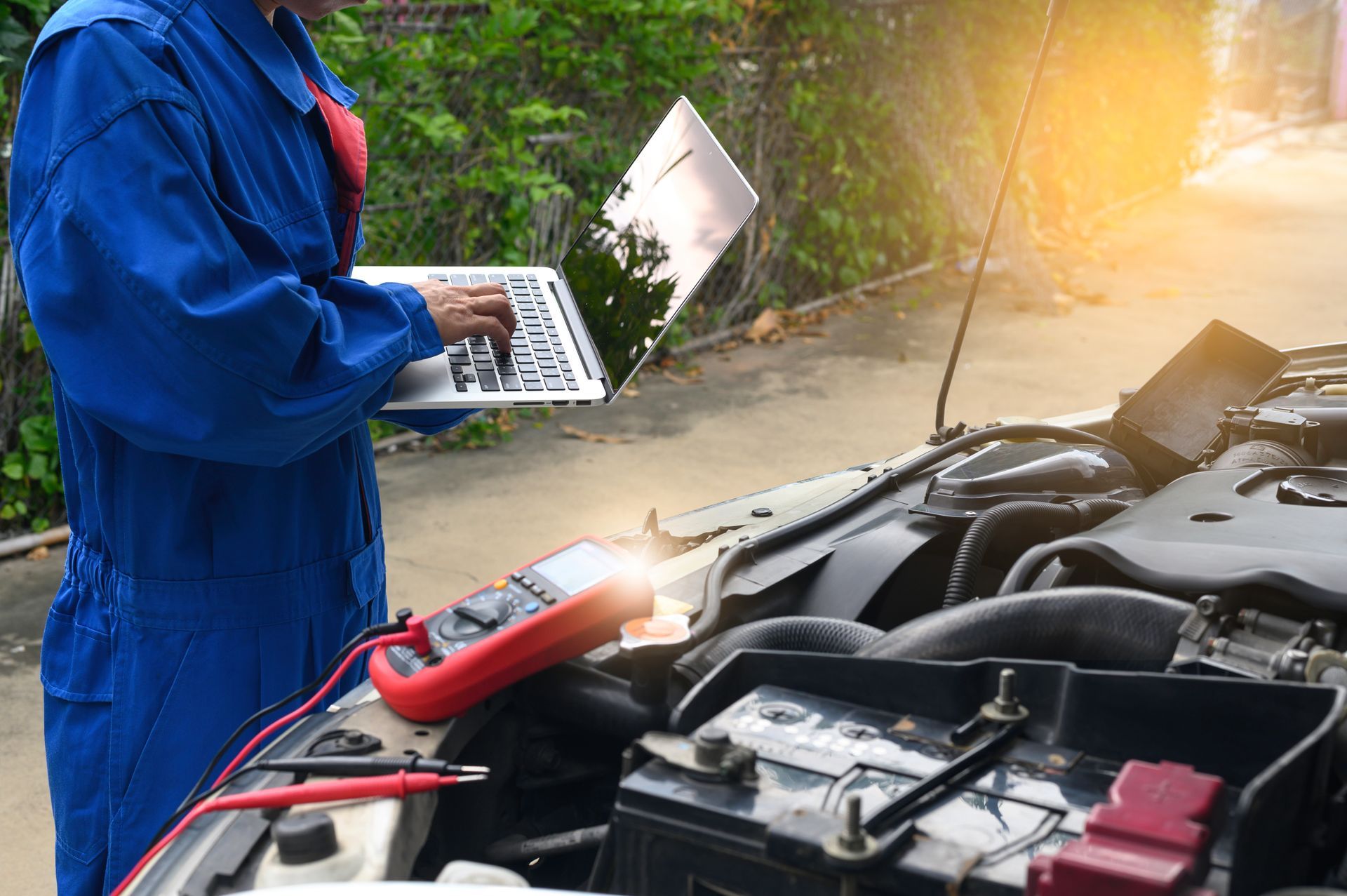
We start by comparing wheel behavior side to side and checking pad wear patterns. Uneven pad thickness on the same caliper is a strong clue that the caliper or slides are not moving correctly. We also check rotor condition and look for heat clues, like discoloration or uneven contact.
From there, our technicians check slide pin movement, hardware condition, and whether the piston retracts as it should. If the issue is a sticking hose or a pressure problem upstream, we check for that too. The goal is to fix what is actually causing the drag, not just replace parts and hope the symptom goes away.
How To Prevent Repeat Caliper Problems
The best prevention is keeping the brake system clean and moving the way it should. During brake service, hardware and slide pins should be inspected and serviced so pads can retract properly. If the vehicle sits often, taking it on a longer drive occasionally can help keep surfaces from building up heavy rust.
Also, you should keep an eye on tire rotations and brake dust patterns. If one wheel keeps getting unusually dirty, that can be an early warning. This is the kind of issue that an annual check can catch before you smell it or feel a pull.
Get Brake Caliper Inspection In Spokane Valley, WA, With Green Tech Garage
If your car is pulling, smelling hot, or feeling like it is dragging, Green Tech Garage in Spokane Valley, WA, can pinpoint whether a caliper is sticking and explain the most sensible fix.
Get it checked before that extra heat turns into rotors, pads, and tire wear you did not plan for.