The phrase engine tune-up used to mean something pretty specific. New spark plugs, maybe wires, a cap and rotor, a fuel filter, and a few adjustments. Older cars required more hands-on adjustment because their engines weren't self-monitoring like modern vehicles.
Modern cars are different.
Today, a tune-up is less about turning screws and more about checking how well the engine is breathing, firing, fueling, and reporting data. The parts changed, but the reason has not. A tune-up still helps keep the engine running cleanly and predictably.
Modern Tune-Ups Start With How The Car Runs
A good tune-up starts with symptoms and mileage. Is the engine hard to start? Does it idle rough? Is fuel economy down? Does it hesitate when you press the gas? Has the check engine light come on, even briefly?
Those details matter because computers, sensors, and modules control modern engines. If the engine feels off, the car may already have stored data showing where the problem started. We usually want to know when the symptom happens: cold start, warm idle, highway speed, uphill acceleration, or stop-and-go driving.
The pattern often points the way.
Spark Plugs Are Still A Big Part Of It
Spark plugs are still one of the most important tune-up items. They ignite the air-fuel mixture in the cylinders. As they wear, the gap can widen, and the spark can weaken. The engine may still run, but it has to work harder to fire cleanly.
Worn plugs can cause rough idle, hesitation, lower fuel economy, misfires, and a check engine light. On some engines, overdue spark plugs also put extra strain on the ignition coils. That is how a simple maintenance item can start pulling other parts into the repair.
The correct plug type matters too. Modern engines do not always tolerate cheap or incorrect plugs well. Heat range, material, gap, and torque must all match the vehicle.
Ignition Coils And Misfire Data
Many newer vehicles use one ignition coil per cylinder. These coils replace older distributor-style systems, but they still fail due to heat, age, oil contamination, or stress from worn spark plugs. A weak coil can feel normal one day and act up the next.
Misfire data helps narrow this down. If cylinder 3 keeps showing misfire counts, a technician can test the coil, plug, wiring, and fuel injector instead of treating the whole engine like a mystery. Sometimes moving a coil to another cylinder shows whether the problem follows the coil.
That kind of testing keeps a tune-up from becoming parts swapping.
Airflow And Fuel Control Checks
Modern engines are sensitive to airflow. A dirty air filter, a cracked intake boot, a vacuum leak, a dirty throttle body, or an inaccurate mass airflow sensor can cause the fuel mixture to drift out of range. The driver may notice a rough idle, weak acceleration, or worse mileage.
Fuel trim numbers are useful here. They show whether the computer is adding or subtracting fuel to correct what it sees. If those numbers are far off, there may be an air leak, a sensor problem, a fuel delivery issue, or an exhaust leak affecting the readings.
Filters, Fluids, Belts, And Battery Condition
A tune-up visit is also a good time to check the basics that affect reliability. Engine air filters, cabin filters, fluid levels, coolant condition, belts, hoses, battery health, and charging output all matter. They may not all be part of a classic tune-up, but they affect how the car behaves every day.
A weak battery can create strange electrical symptoms. Low coolant can lead to overheating. A cracked belt can leave you stuck. A dirty air filter can restrict airflow. Regular maintenance works best when these small items are caught while the car is already in the shop.
Small checks save annoying surprises.
Warning Lights And Scan Data
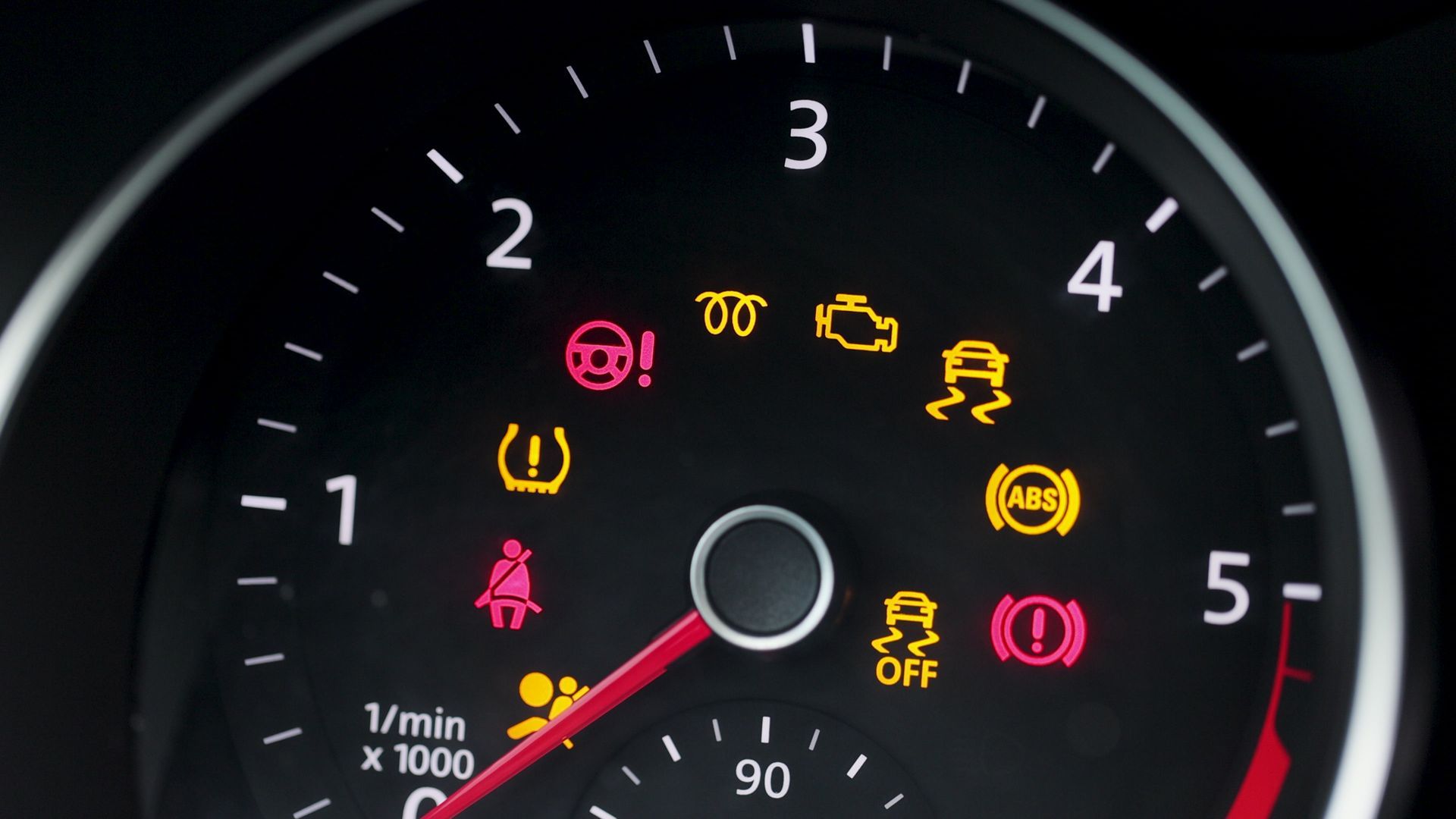
If the check engine light is on, a tune-up should not be used as a shortcut. The code needs to be read, but it's only a starting point. It may indicate a misfire, oxygen sensor issue, fuel trim problem, EVAP leak, catalyst efficiency issue, or temperature concern.
Clearing the light does not fix the reason it came on. Our technicians review stored codes, pending codes, live data, freeze-frame information, and readiness monitors to ensure the service matches what the engine is actually doing.
A scan tool does not replace experience. It gives the technician a cleaner trail to follow.
When A Tune-Up Makes Sense
A tune-up makes sense when the vehicle is due for a certain mileage, running rough, using more fuel, starting harder than usual, or showing early misfire signs. It is also smart to buy a used car when you do not know the service history. Starting with known-good spark plugs, filters, and basic checks gives you a cleaner baseline.
Not every drivability problem is solved by a tune-up, though. Low compression, fuel pump trouble, clogged injectors, vacuum leaks, or sensor faults may need separate testing. A good shop will tell you the difference between maintenance and repair.
Get Engine Tune-Up Service In Spokane Valley, WA, With Green Tech Garage
If your car is running rough, losing fuel economy, starting harder than usual, or due for mileage-based service, Green Tech Garage in Spokane Valley, WA, can check the ignition, airflow, filters, scan data, and related systems.
Schedule a visit and get the engine back on a cleaner maintenance path.