Dashboard warning lights can feel like they speak in riddles. One light looks like a tiny engine. Another looks like a battery, even when the battery might not be the problem. A brake light can mean several things, and a tire pressure warning can return even after you just added air.
That confusion leads to some bad habits. Drivers ignore lights that seem harmless, panic over lights that need testing first, or replace parts based on one quick scan. The better approach is to understand what dashboard lights are really trying to do. They are warnings, not full explanations.
Thinking A Warning Light Always Means One Failed Part
One of the biggest misunderstandings is thinking a warning light points to one exact part. It rarely works that way. A check engine light, ABS light, battery light, or oil warning light tells you that a system has detected something outside its normal range.
A code or warning message can narrow the search, but it does not finish the job. An oxygen sensor code could be caused by a sensor, exhaust leak, fuel mixture problem, wiring fault, or engine issue. An ABS warning could come from a wheel speed sensor, damaged wiring, tone ring, or wheel bearing. The light is the beginning of the conversation, not the final answer.
Ignoring A Light Because The Car Feels Fine
Many drivers wait because the car still drives normally. It starts, stops, shifts, and accelerates, so the warning gets pushed aside. That is understandable, especially when life is busy, and the vehicle does not feel different.
The problem is that modern vehicles can hide early issues. The computer can adjust fuel delivery, idle speed, and other settings to keep the car running well for a while. A sensor can drift out of range before performance changes. Brake or tire warnings can show up before the driver feels a clear difference. Waiting for symptoms can give the original problem more time to spread.
Treating A Flashing Check Engine Light Like A Steady One
A steady check engine light needs attention, but a flashing check engine light is more urgent. A flashing light usually indicates an active misfire. That means fuel is not burning correctly in one or more cylinders.
When that happens, unburned fuel can enter the exhaust and overheat the catalytic converter. That repair can get expensive fast. If the light is flashing and the engine is shaking, losing power, or smelling like fuel, it is better to limit driving and schedule service right away. That warning is not the one to test with another week of errands.
Assuming The Battery Light Means Only The Battery
The battery light fools many drivers because of its shape. It seems to say the battery is bad. Sometimes the battery is involved, but the warning usually points toward the charging system.
The alternator, belt, wiring, terminals, battery condition, or electrical connections can all be part of the issue. A car can keep running for a short time after the light comes on because it is using stored battery power. Once that power drops, the lights can dim, the steering assist can change on some vehicles, and the engine can stall. A charging system inspection can prevent a simple warning from becoming a tow.
Putting Off Brake And ABS Warning Lights
Brake warnings deserve more attention than they get. A red brake warning light can indicate low brake fluid, a parking brake switch issue, hydraulic concerns, or another brake system problem. An ABS light can mean the anti-lock brake system is not available when you need it during a hard stop.
The vehicle might still stop during normal driving. That does not mean the system is fully healthy. ABS, traction control, and stability control can share sensor information, so one fault can affect several safety systems. Brake-related warning lights should be checked before rain, snow, or a sudden stop exposes the problem at the worst time.
Thinking Tire Pressure Lights Are Only Annoying
A tire pressure light can seem minor, especially if the tire does not look flat. Low pressure changes how the tire contacts the road. It can increase heat, shorten tire life, reduce fuel economy, and affect braking or steering.
Cold weather, slow leaks, nails, valve stem problems, and wheel damage can all trigger the light. Filling the tire is a good first step, but a warning that returns needs a closer look. Regular maintenance should include tire pressure checks, tread inspection, rotations, and alignment checks when wear patterns look uneven.
Believing A Quick Scan Is Enough
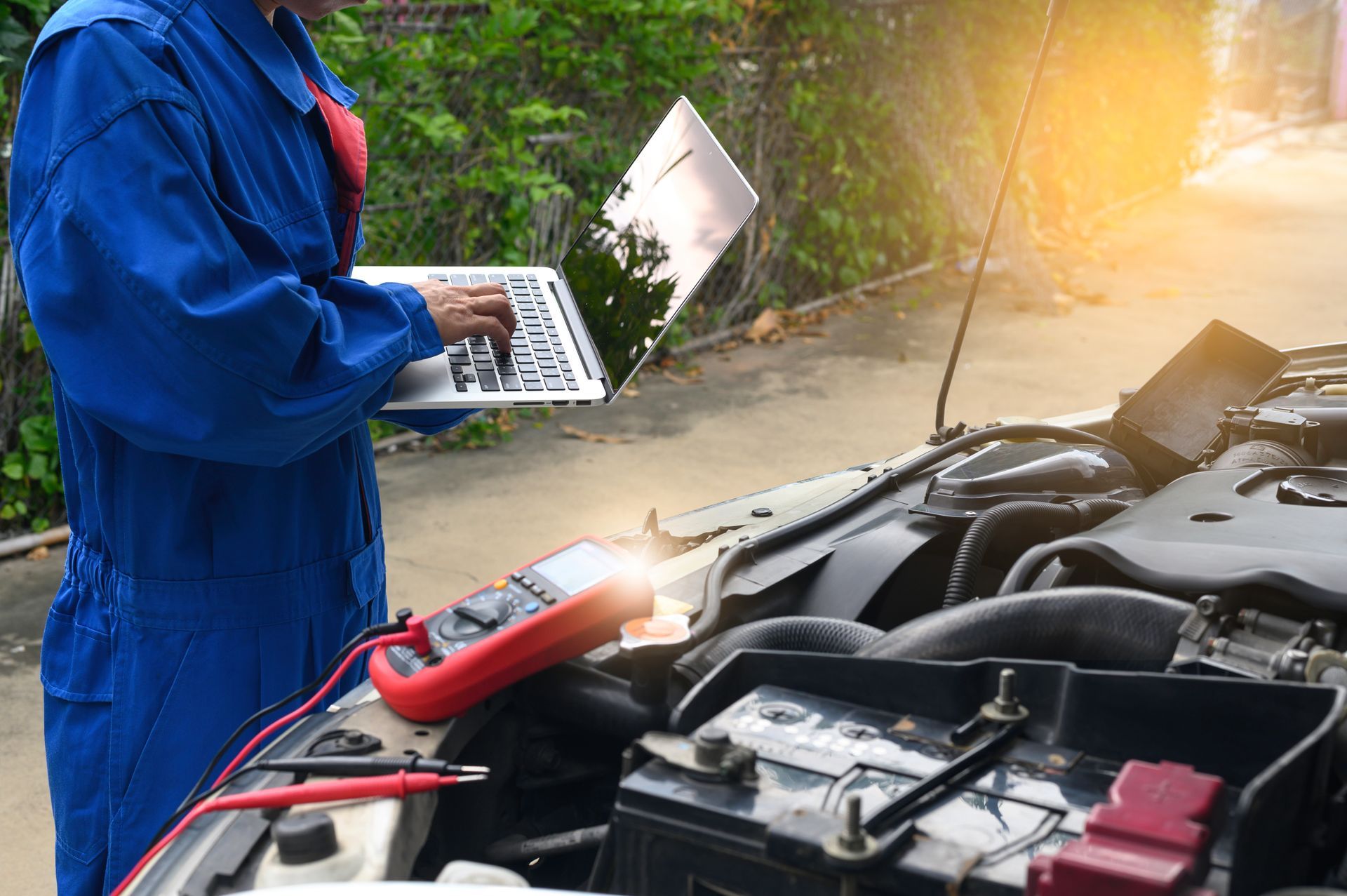
A quick scan can be useful, but it is not the same as diagnostics. The scan reads codes. Diagnostic tests determine the cause of the codes. That difference saves money and frustration.
A proper check can include live data, freeze-frame information, wiring checks, fluid levels, battery and charging tests, road testing, visual checks, and system-specific testing. That is how a shop separates a failed part from a symptom caused by something else. Replacing parts based solely on a code description can lead to repeated warning lights.
Get Dashboard Warning Light Diagnostics In Spokane Valley, WA, With Green Tech Garage
If your dashboard warning light is on, Green Tech Garage in Spokane Valley, WA, can read the codes, inspect the related systems, and explain what the warning means in plain language.