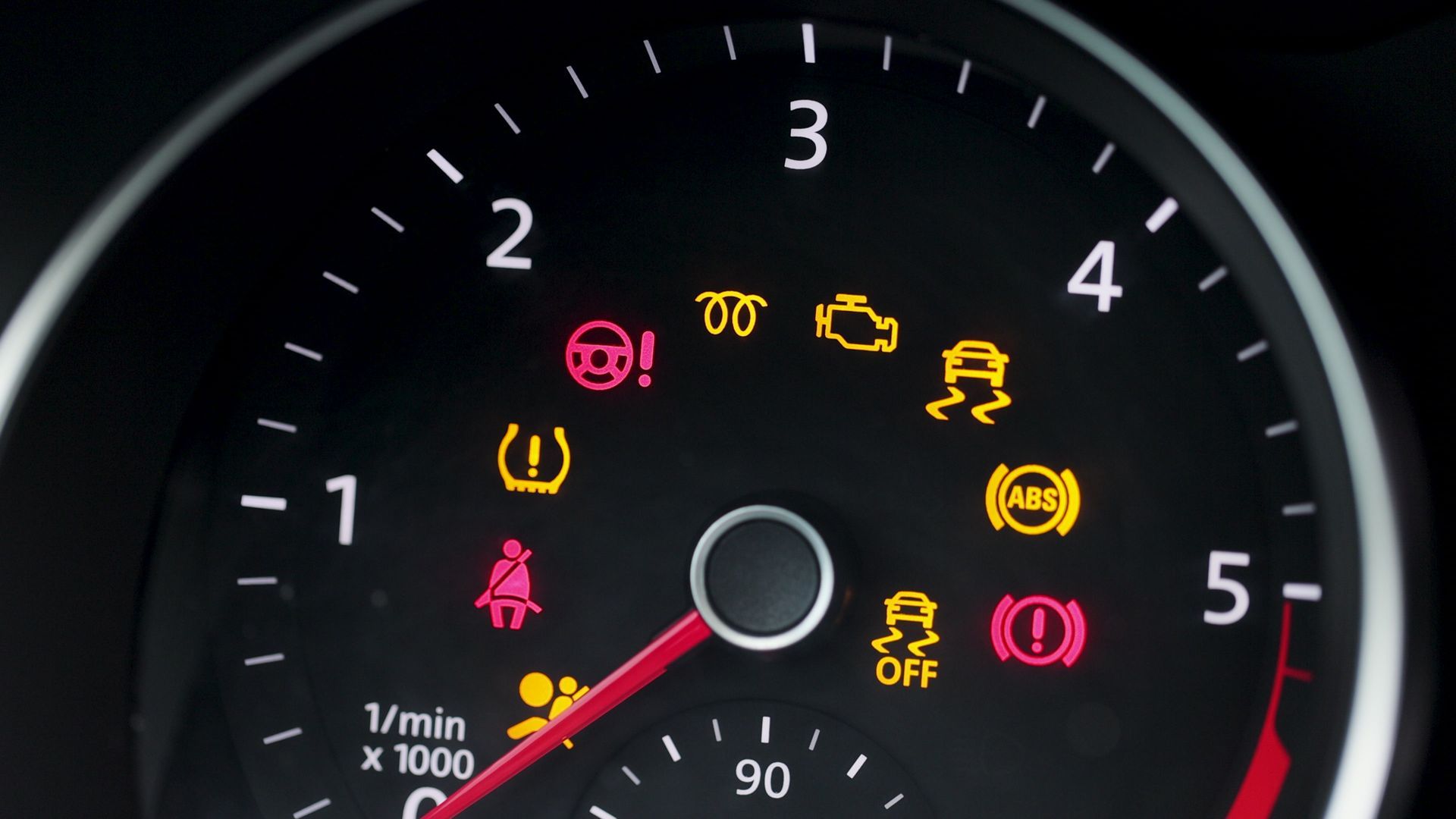
A drop in fuel economy does not always come with rough running, weak acceleration, or a warning light. The car may start normally, idle quietly, and feel completely familiar on the road. The only clue is that you are returning to the gas station sooner than you used to.
That change is worth paying attention to. A few extra gallons may come from traffic, weather, or a heavier driving schedule, but a steady decline can point to low tire pressure, worn ignition components, sensor issues, brake drag, fluid problems, or an engine that stays colder than it should.
Your Driving Routine May Have Changed
Fuel economy is heavily influenced by how and where the vehicle is driven. Short trips use more fuel because the engine spends more time warming up and may shut off before reaching its most efficient temperature. Stop-and-go traffic, extended idling, hard acceleration, and repeated uphill driving also increase consumption.
Seasonal changes can affect mileage around Spokane Valley. Cold starts require a richer fuel mixture, and winter driving often includes more idling, lower tire pressure, and slower traffic. Compare several full tanks before deciding there is a mechanical problem, especially if your commute, driving speed, or daily route recently changed.
Low Tire Pressure Makes The Engine Work Harder
A tire that is several pounds low creates more rolling resistance. The sidewall flexes more, the tread presses differently against the road, and the engine has to use additional fuel to keep the vehicle moving. Since pressure drops gradually, the car may not feel obviously different.
Check the tires when they are cold and use the pressure listed on the vehicle information label, not the maximum number molded into the tire. Uneven wear and incorrect alignment can also increase resistance. A tire inspection should include the inner tread edges, which may wear badly without being visible from the outside.
Worn Spark Plugs Can Reduce Efficiency Quietly
Spark plugs ignite the air-fuel mixture thousands of times during every drive. As the electrodes wear, the gap increases and the ignition system has to work harder. The engine may continue running well enough that the driver does not feel a clear misfire.
Weak ignition coils can create a similar situation, especially under acceleration or on hills. The computer may compensate for early ignition wear without turning on the check engine light. Reviewing the service history and checking plug condition can reveal whether overdue ignition maintenance is contributing to higher fuel use.
Sensor Readings Can Drift Without Setting A Code
The engine computer relies on oxygen sensors, airflow sensors, coolant temperature sensors, and several other inputs to decide how much fuel to deliver. A sensor can become slow, dirty, or slightly inaccurate while still staying within a range that does not trigger a warning.
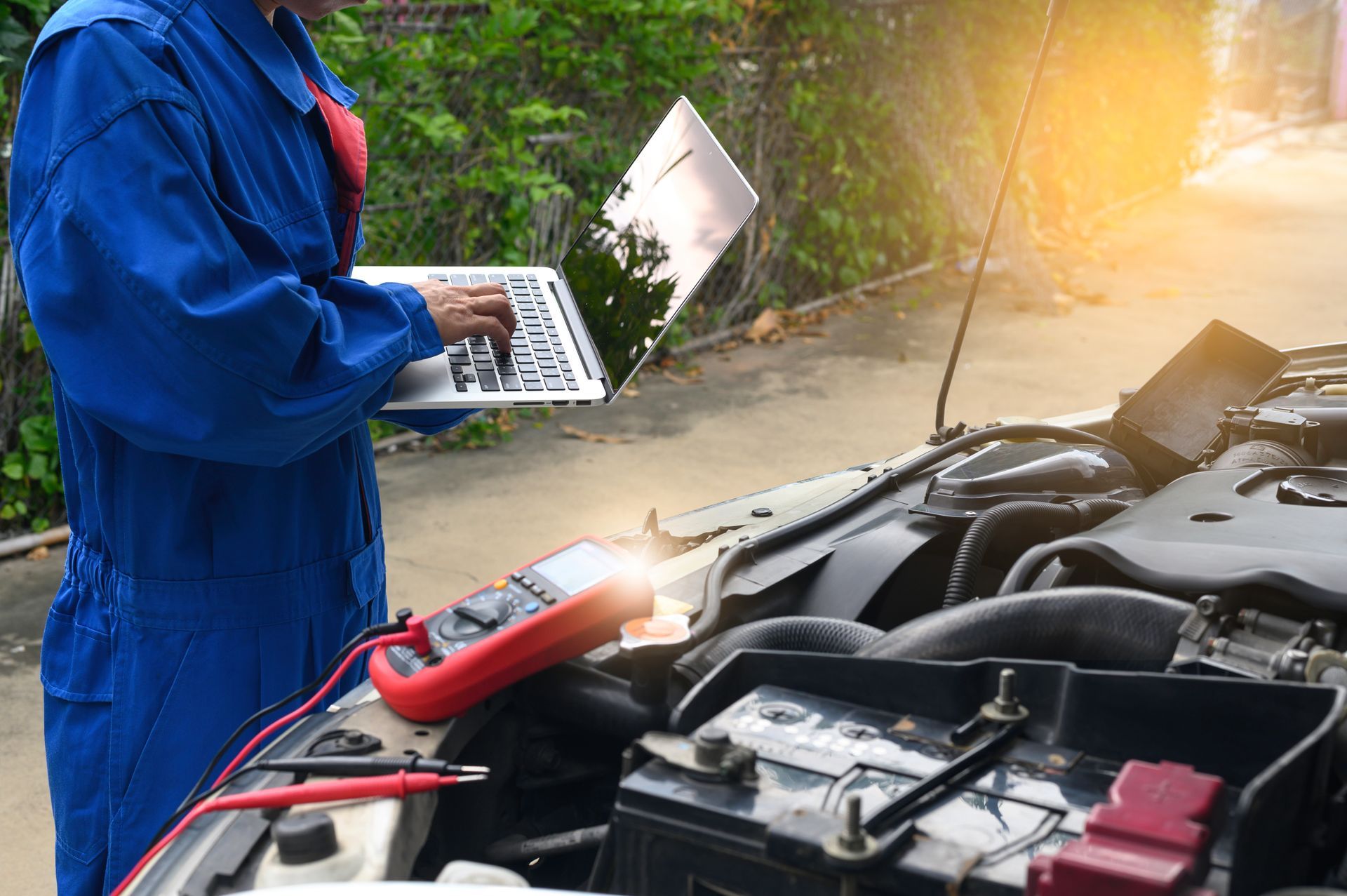
A coolant temperature sensor or thermostat problem is a good example. If the computer believes the engine is colder than it really is, it may continue adding extra fuel after warm-up. Live data allows a technician to compare sensor readings with the vehicle’s actual operating conditions, rather than replacing parts based solely on lower mileage.
Dragging Brakes Can Waste Fuel
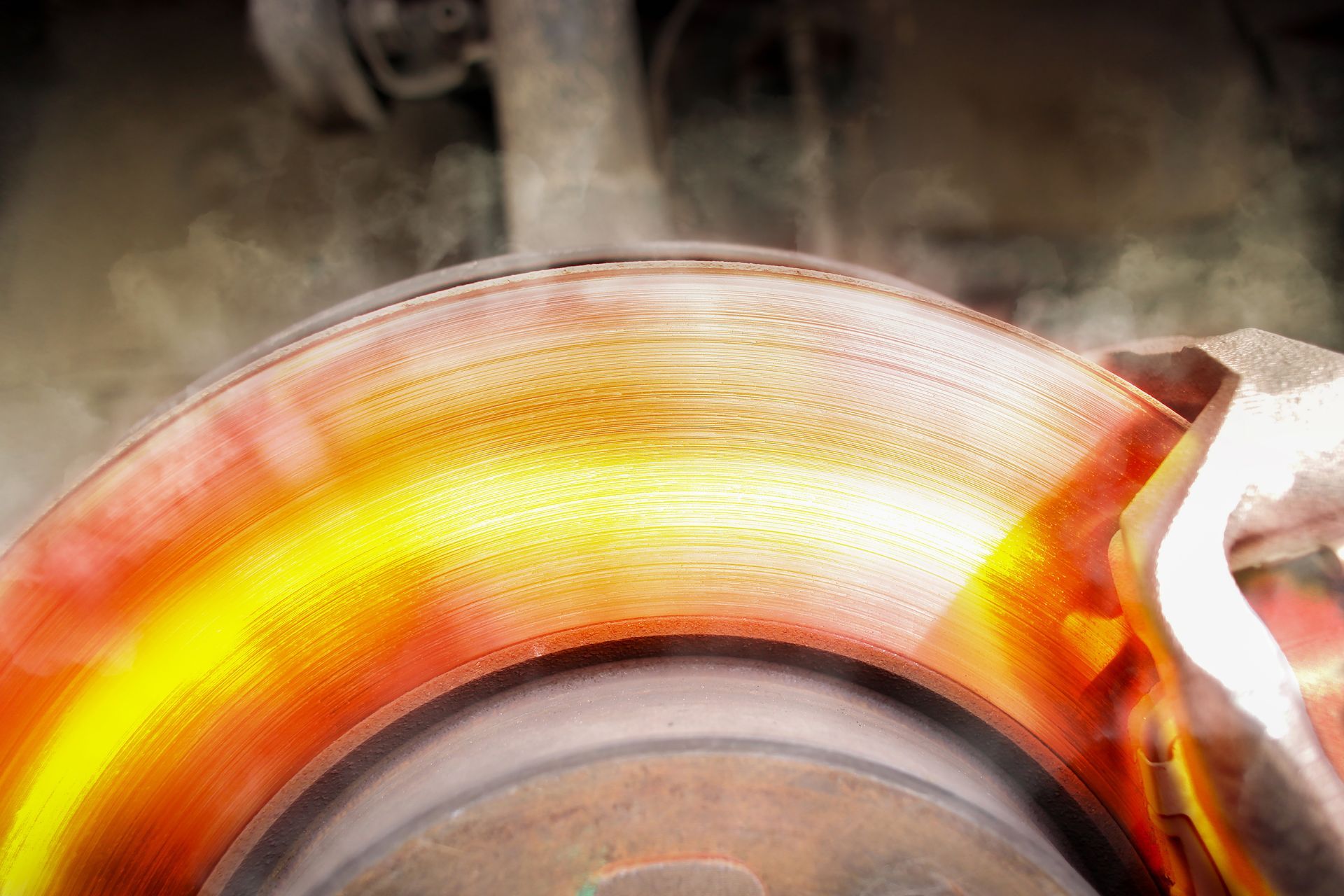
A sticking brake caliper, seized slide pin, restricted hose, or parking brake that does not fully release can keep one wheel from rolling freely. The drag may be light enough that the vehicle still drives straight, but the engine must work against that resistance on every trip.
Clues can include a hot smell, reduced coasting distance, a slight pull, or one wheel that feels hotter after driving. Continued brake drag can damage pads, rotors, wheel bearings, and nearby parts. It can also lower fuel economy long before the braking problem feels severe from behind the wheel.
A Dirty Air Filter Or Throttle Body Can Affect Performance
The engine needs a measured supply of air to burn fuel efficiently. A heavily restricted air filter can reduce airflow during acceleration, while deposits around the throttle body can interfere with how cleanly the engine responds at low speed.
A dirty mass airflow sensor may send inaccurate information even when the air filter looks acceptable. These problems can lead to a dull throttle response or increased fuel consumption without causing a noticeable shake. Testing airflow data is more useful than replacing every intake component at once.
Old Fluids And Drivetrain Resistance Add Up
Engine oil that is overdue, too thick for the application, or low can increase internal resistance. Transmission and differential fluids also help gears, bearings, and internal components move efficiently. When fluid is old, low, contaminated, or incorrect, the drivetrain may require more energy to do the same work.
Wheel bearings, axles, and transmission problems can create resistance too. A rough bearing may begin adding drag before it becomes loud. An automatic transmission that slips slightly may allow engine speed to rise without transferring all that power to the wheels. These small losses can add up across every mile.
Simple Clues Can Help Narrow Down The Cause
- Fuel economy drops after cold weather begins.
- The tires regularly need air.
- One wheel smells hot after driving.
- The engine takes a long time to warm up.
- Acceleration feels slightly dull on hills.
- The transmission RPM rises more than expected.
- The vehicle is overdue for spark plugs or filters.
None of these clues confirms the repair by itself. Together with fuel trim data, tire condition, brake temperature, fluid condition, and service records, they help guide a focused inspection.
Track Your Mileage Before Assuming The Worst
Dashboard mileage displays are convenient, but they can change with idling and may not always be exact. A better check is to fill the tank, reset the trip meter, drive normally, and divide the miles traveled by the gallons added at the next fill-up. Repeat the calculation for two or three tanks.
Keep notes about weather, traffic, towing, roof cargo, and extended idling during the same period. Regular maintenance can correct several small losses before they turn into larger problems. If the numbers continue falling without a clear lifestyle change, the vehicle deserves a closer look.
Get Poor Fuel Economy Diagnostics In Spokane Valley, WA, With Green Tech Garage
If your car is using more fuel even though it still feels normal, Green Tech Garage in Spokane Valley, WA, can check the tires, brakes, ignition system, sensors, fluids, airflow, and drivetrain for hidden efficiency losses.
Contact us to schedule an appointment and find out why each tank is no longer lasting as long.