An oil change is a much smaller job than replacing worn engine bearings or damaged timing components. Fresh oil helps protect the parts working inside your engine on every trip. Keeping up with this routine service reduces avoidable wear before it turns into a major repair.
That protection reaches well beyond the pistons and crankshaft. Many modern engines use oil pressure to operate timing hardware, and turbochargers depend on steady lubrication at high temperatures. When the oil gets old, contaminated, or low, several expensive parts feel the effects at once.
How Engine Oil Protects Moving Parts
Bearings and other internal surfaces operate with a protective film of oil between them. That film carries load while allowing parts to move at high speed. The right oil maintains that protection across the temperatures and operating conditions the engine was designed for.
Oil deteriorates as it encounters heat, oxygen, combustion byproducts, and contamination. Its additives also lose effectiveness during use. Eventually, leaving it in service puts the engine to work with a lubricant that has less ability to control wear and deposits.
Changing the oil and filter on schedule renews that protection before the lubricant deteriorates too far. Bearings are buried inside the engine, so repairing wear there involves far more work than a routine service. Staying current gives you a practical way to look after parts you rarely get to see.
How Oil Changes Reduce Engine Sludge
Oil holds some contaminants in suspension so they can leave with the drained oil or be captured by the filter. As oil degrades and contamination builds, varnish and sludge become a greater concern. Heavy deposits restrict passages and interfere with components that depend on clean oil flow.
The filter has limited capacity, and replacing it belongs alongside the oil change. Fresh oil paired with a serviceable filter provides a better starting point for the next interval than adding clean oil to a system with an overdue filter.
Once heavy sludge restricts oil flow, a simple oil change may be only part of the work needed. Cleaning treatments also require care because loosened deposits can block passages in an already dirty engine. Regular service removes contamination before it reaches that stage and helps you avoid a much larger job.
Clean Engine Oil and Timing Component Operation
Variable valve timing systems adjust when valves open and close to improve engine operation. Many use controlled oil pressure to move their internal hardware. Small passages and control valves are sensitive to contamination and restricted flow.
Some timing chain tensioners also use oil pressure to maintain the chain's working tension. Poor lubrication or disrupted pressure affects the system's operation and increases the workload on related parts. Repair often requires much more labor than an oil change.
Book an inspection if you hear a new timing-area rattle or notice rough running with a warning light. Bring the oil change history too. It helps the technician choose the first checks, especially when the engine has gone well past its interval or needed frequent oil top-offs.
Why Turbochargers Need Reliable Engine Lubrication
A turbocharger spins at very high speed and operates near hot exhaust components. Its bearings rely on oil flow, so oil condition and supply are central to its service life.
The required oil specification accounts for those demands. Using the correct viscosity alone is only part of selecting the product; the performance standard or manufacturer approval also needs to match the engine. A bottle suitable for one vehicle isn't automatically suitable for another with the same viscosity requirement.
If your engine is turbocharged, keep oil level checks between services in your routine. A leak or oil consumption can reduce the supply well before the next scheduled change. Catching a falling level gives you time to find its cause and protect the engine.
How Short Trips Affect Engine Oil
A day of brief errands often means several cold starts and little sustained warm operation. Moisture and fuel contamination have less opportunity to leave the oil. That's one reason time-based service remains important for a vehicle with low annual mileage.
Check the severe-service instructions if you tow, idle for long periods, drive in dusty conditions, or face temperature extremes. An easy-looking trip from the driver's seat can still be demanding for the oil. The manual explains which schedule to follow for your engine and those conditions.
For example, a vehicle making a short school run twice a day might reach its calendar service deadline while still being well below the mileage limit. Record both numbers in your maintenance log and follow whichever comes first.
Engine Oil Checks Between Services
Between oil changes, these simple habits help protect the engine:
- Check the oil level and record any oil added
- Look for fresh leaks beneath the parked vehicle
- Act on new engine noises or warning messages
- Keep the last oil change date and mileage together
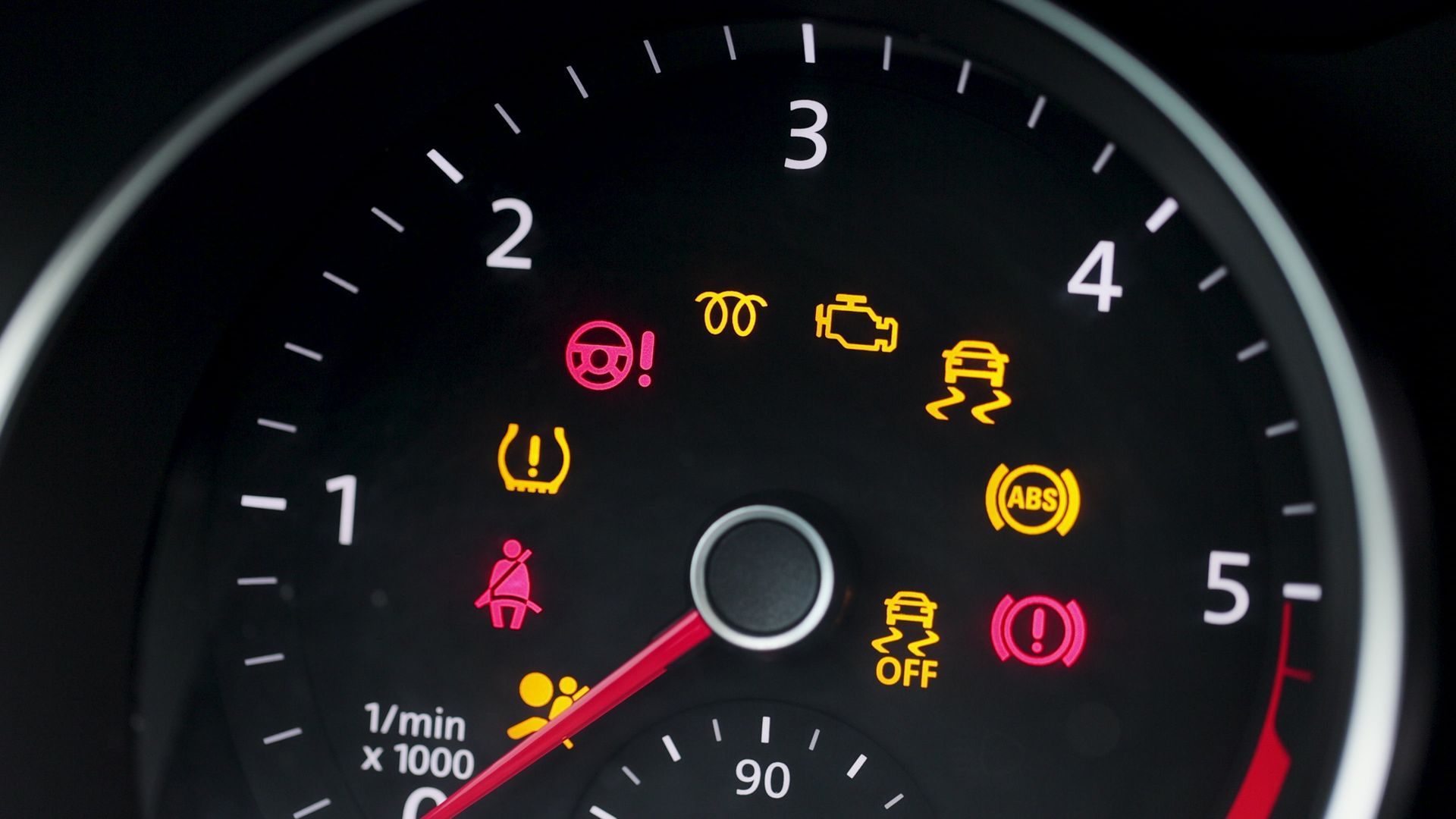
If an oil pressure warning appears with the engine running, stop safely and shut the engine off. Waiting for a routine service appointment can expose the engine to rapid damage if pressure is inadequate.
Oil Change Service at Green Tech Garage
Oil changes work best before wear has taken hold. Once a bearing or timing component is damaged, new lubricant won't restore the worn metal. Keeping the right oil in good condition and checking early symptoms gives you a better chance of dealing with problems while the repairs are still smaller.
Green Tech Garage in Spokane Valley, WA, can help you keep oil change service on schedule and review any engine concerns. Let us know how you drive and whether you've noticed leaks, repeated top-offs, or new sounds. We'll discuss the oil requirements and checks that fit your vehicle.
Schedule an oil change with
Green Tech Garage and keep this essential engine service up to date.