An engine vacuum leak happens when unmetered air enters the intake system through a cracked hose, failed gasket, loose connection, or another opening that should be sealed. Because that air enters after the airflow has already been measured, the engine computer may struggle to maintain the correct air-fuel mixture.
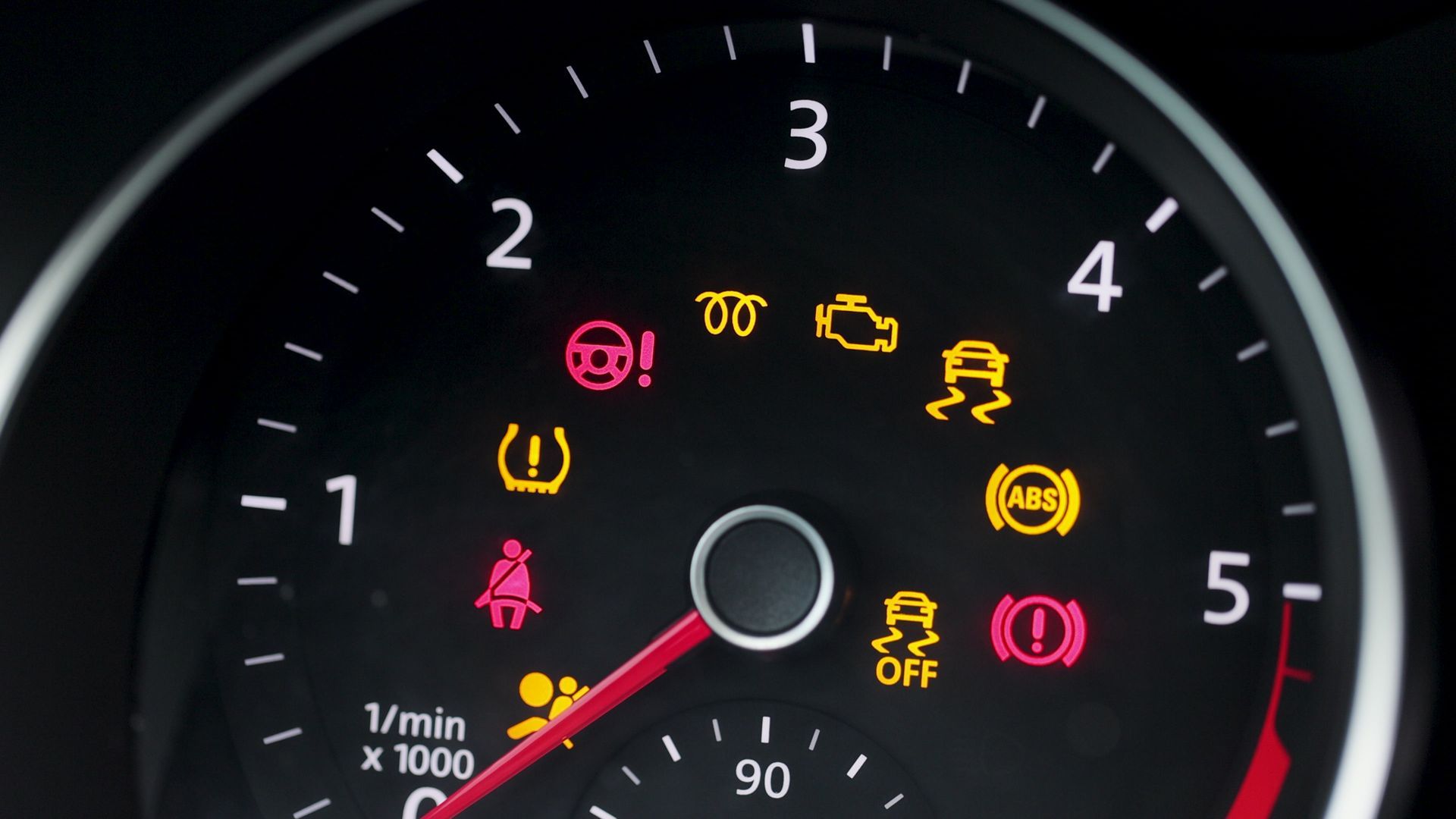
Vacuum leaks can cause a rough idle, hesitation, higher-than-normal idle speed, lean fault codes, or an illuminated check engine light. The symptoms can overlap with ignition, fuel delivery, and sensor problems, so a proper test involves more than looking for a loose hose under the hood.
We Start by Looking at Engine Data
Before searching for a leak, technicians often connect a scan tool and review the information the engine computer is providing. Fault codes can point toward a lean condition, but the codes themselves do not prove that a vacuum leak is present.
Fuel trim data is especially useful. When unmetered air enters the engine, the computer may respond by adding fuel. If fuel trims are strongly positive at idle but move closer to normal as engine speed increases, that pattern can support the possibility of an intake-side air leak. Technicians may also compare oxygen sensor readings, airflow data, engine speed, and other values to see how the engine is responding.
A Visual Check Can Find Obvious Problems
Some vacuum leaks can be found without specialized equipment. Rubber hoses become brittle with age, plastic fittings can crack, and connections may loosen after previous repairs. Technicians inspect the intake tract and vacuum lines for anything that appears damaged, disconnected, collapsed, or incorrectly installed.
Common areas worth checking include:
- PCV hoses and fittings
- Brake booster vacuum hoses
- Intake manifold connections
- Vacuum-operated accessories
- Air intake boots
- Throttle body connections
- EVAP purge plumbing
Oil residue around certain connections can also provide a clue. If a hose or fitting has been leaking for some time, dirt may collect around the oily vapor escaping through the opening.
Smoke Testing Is One of the Most Useful Methods
A smoke machine is commonly used when the leak cannot be found visually. The intake system is filled with low-pressure smoke while the engine is off, allowing technicians to watch for smoke escaping from places that should be sealed.
This method can reveal tiny cracks in hoses, leaking intake manifold gaskets, throttle body leaks, damaged vacuum fittings, and problems around other sealed connections. Smoke testing is particularly useful on modern engines because many vacuum lines and intake components are tucked beneath covers or behind other parts.
We Check the Intake Manifold and Its Gaskets
The intake manifold distributes air to the engine's cylinders, and it must remain properly sealed where it attaches to the cylinder head. A deteriorated gasket can allow extra air into one cylinder, several cylinders, or the entire intake system.
Some manifold leaks change as the engine heats up because plastic and metal components expand at different rates. A vehicle may idle poorly when cold and improve after warming up, or behave the other way around. Smoke testing, fuel trim comparison, and close inspection around the manifold help determine whether the gasket or manifold itself is leaking.
The PCV System Can Create Vacuum Leak Symptoms
The positive crankcase ventilation system routes crankcase vapors back into the intake so the engine can burn them. Since the PCV system is connected directly to engine vacuum, a cracked hose or failed valve can create a significant air leak.
On some vehicles, the PCV valve is built into the valve cover rather than being a separate inexpensive component. A failed internal diaphragm can produce whistling, excessive crankcase vacuum, rough idle, or lean mixture faults. Testing the system rather than automatically replacing hoses helps identify which component is actually causing the problem.
Brake Booster Leaks Need Attention Too
The brake booster uses engine vacuum to reduce the amount of pedal effort required during braking. A damaged booster diaphragm, check valve, or vacuum hose can become another source of unmetered air.
One clue can be a change in idle when the brake pedal is pressed. The pedal may also become harder than normal if the booster is no longer receiving or holding enough vacuum. Because the brake booster is part of the braking system, problems in this area should be addressed promptly rather than treated only as an engine performance concern.
Other Problems Can Look Like a Vacuum Leak
A lean code or rough idle does not automatically mean air is entering through a vacuum leak. Low fuel pressure, restricted injectors, a contaminated airflow sensor, exhaust leaks ahead of an oxygen sensor, or certain mechanical engine problems can create similar symptoms.
That is why technicians compare several test results instead of relying on one clue. If smoke testing shows the intake system is sealed, attention can shift toward fuel delivery, sensors, ignition performance, or engine mechanical condition. This prevents unnecessary replacement of intake parts that are still working correctly.
What Happens After the Leak Is Found?
Once the leaking area is identified, the repair depends on what failed. A cracked vacuum hose may be straightforward to replace, while an intake manifold gasket can require considerably more disassembly. Plastic intake components sometimes need replacement if the housing itself has cracked.
After the repair, the system should be checked again and the engine data reviewed to confirm that fuel trims and idle behavior have returned to an appropriate range. A final inspection can also catch nearby hoses or fittings that are beginning to deteriorate before they create another leak.
Vacuum leaks are worth addressing during regular maintenance when warning signs appear because continued lean operation can affect drivability and emissions. Finding the actual opening is the key, and testing provides much better information than replacing parts based on symptoms alone.
Get Engine Vacuum Leak Testing in Spokane Valley, WA, With Green Tech Garage
Green Tech Garage in Spokane Valley, WA, can perform diagnostic testing for rough idle, lean fault codes, unusual engine speed, and other symptoms that an intake vacuum leak may cause.
We can check hoses, intake components, PCV plumbing, brake booster connections, and related systems to identify the source.
Contact us to schedule engine testing and repair.