Turn on the headlights, rear defroster, cabin blower, seat heaters, and windshield wipers during a dark winter commute. That's a lot of electrical equipment running at once. Where does all that electricity come from while the engine is running?
The alternator supplies much of the power while the engine operates, but the battery also plays an important role. When either component is weak, cold mornings and short trips reveal the problem quickly.
Winter electrical reliability starts with understanding how the charging system and battery share the work.
Why Cold Weather Reduces Battery Starting Performance
A 12-volt battery uses chemical reactions to deliver electricity.
As temperatures fall, its ability to supply high starting current decreases. Meanwhile, the engine often requires more effort to turn because of colder oil and greater mechanical resistance. An aging battery loses the reserve margin it had in warm weather. The result is slow cranking, dimming lights during startup, or repeated clicks from the starter relay or solenoid.
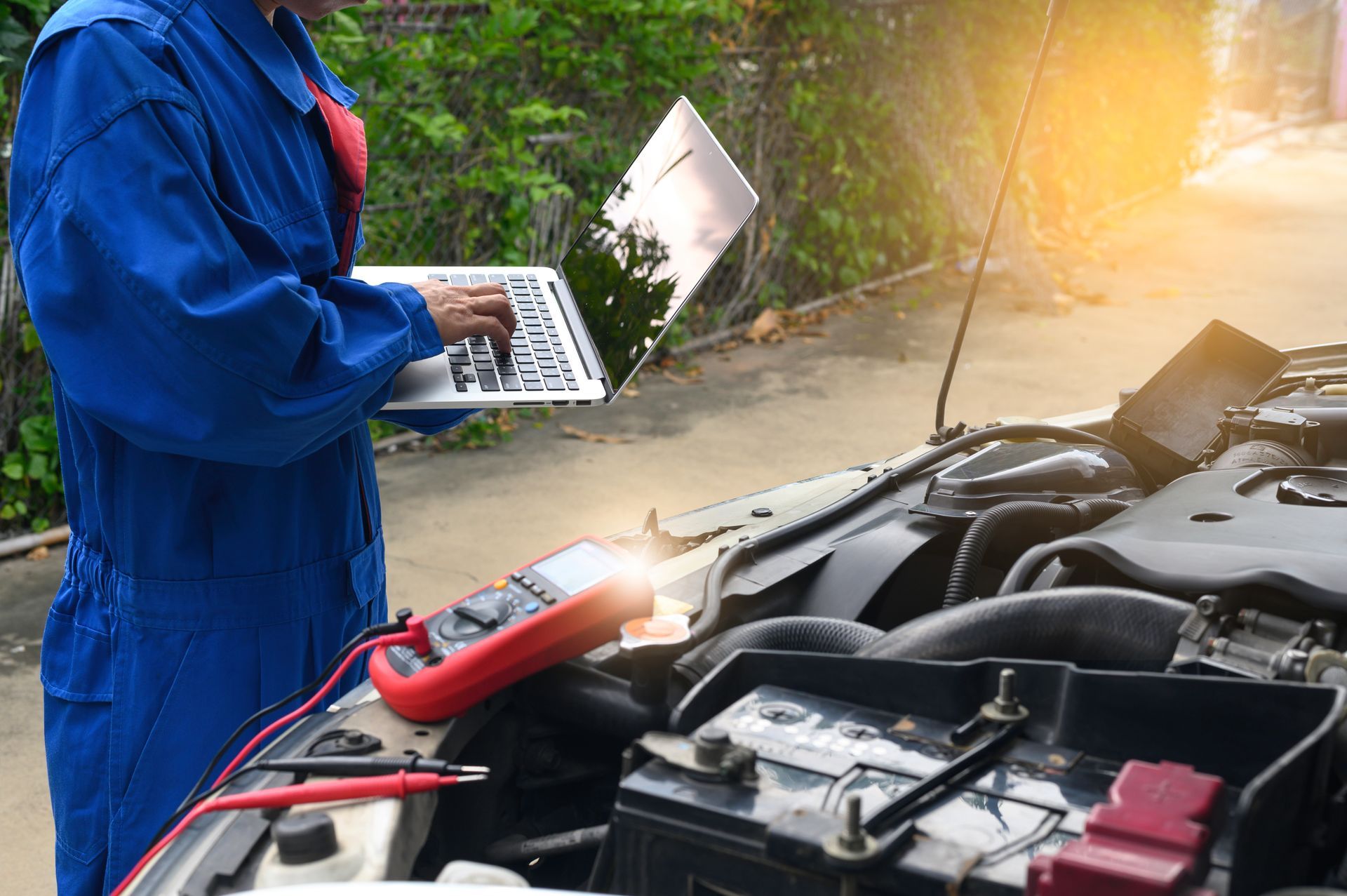
Those symptoms don't prove the alternator has failed. First, we measure battery charge and capacity with the tester set for the correct battery type. A weak connection at the terminals can cause the same behavior as a worn battery.
What the Alternator Powers During Winter Driving
Once the engine runs, the alternator supplies electricity for operating systems and helps recharge the battery.
Winter adds loads from exterior lighting, the rear window defroster, heated seats, mirrors, and frequent blower use. Each component draws current, and the total changes as devices switch on and off.
A healthy charging system is designed to handle the vehicle's normal equipment. Trouble appears when alternator output, charging control, or the drive belt can no longer meet demand. Drivers often notice a battery warning, flickering lights, or accessories slowing at idle. Testing under load shows more than checking voltage with every accessory switched off. In the service bay, we test charging output with real electrical loads switched on.
Short Trips and Slow Battery Recharge in Winter
Starting uses a burst of energy. During a very short commute, the alternator has limited time to restore that charge. Does that five-minute winter commute give the alternator enough time to recharge the battery? With cold temperatures and several accessories running, the battery gradually loses charge over successive short trips.
A car used for repeated five-minute errands often returns home with less battery charge even when the alternator is healthy. The right response is to review the operating pattern and battery condition. If low charge keeps returning after longer drives, look for a charging fault or excessive parked-current draw. Repeated jump-starts only hide the problem and risk leaving you stranded again.
Battery Warning Lights and Alternator Failure Signs
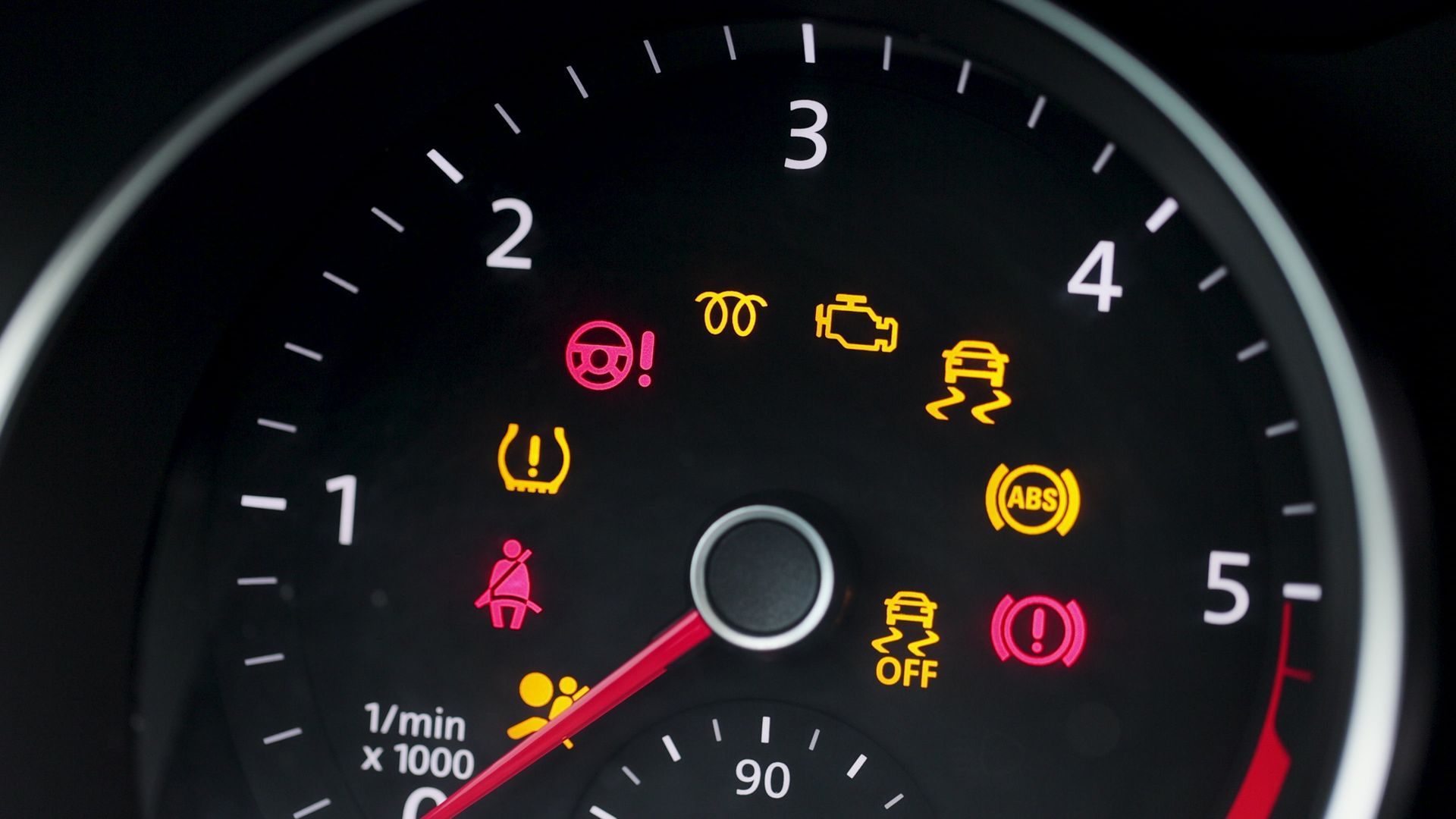
The battery symbol on the dashboard is usually a charging system warning, not a simple announcement that the battery needs replacement. A warning that comes on while driving often signals that the charging system isn't supplying enough electricity. The vehicle might continue running briefly on battery reserves, but eventually electronic equipment can shut down.
A whining pulley, slipping belt, weak alternator output, and damaged charging cables create different failure patterns. Modern vehicles also use smart charging strategies that vary voltage intentionally. The technician compares actual charging behavior with the manufacturer's commanded output before deciding a low reading is a failed alternator. A single number taken at idle can mislead.
Signs the Electrical System Needs a Winter Check
Have a new starting or electrical problem checked before a long drive in freezing weather. Mention these symptoms:
- Engine cranking slower on cold mornings
- Headlights visibly fluctuating while running
- Battery or charging warning on the dashboard
- Repeated low-voltage messages after short trips
- Electrical accessories behaving inconsistently
- A squeal from the belt drive during startup
If the charging warning appears with loss of power, stop in a safe location and arrange help. Driving until the battery is completely discharged risks getting stranded and losing important vehicle functions.
AGM Batteries and Modern Charging Requirements
Some newer vehicles use AGM or enhanced flooded batteries designed for repeated electrical cycling. Others use conventional flooded batteries. The required technology depends on the vehicle, not simply on its age. Installing the wrong battery can cause problems even if it fits the tray.
Certain models also need battery registration or initialization after replacement. The procedure tells the management system about the new battery's characteristics and age. Before installation, we confirm battery technology, capacity, mounting, venting, and charging compatibility. Proper testing is especially valuable when the replacement is expensive.
Maintenance That Protects Winter Charging Reliability
Winter maintenance often focuses on tires and fluids, but electrical connections need checking too. Corroded terminals, loose cables, damaged grounds, and worn accessory belts interfere with charging and starting. A battery capacity test before severe cold reveals weakness even when the car still starts normally. Long-term parking requires planning too. For vehicles parked for long stretches, a compatible battery maintainer helps preserve charge when used according to the instructions.
A persistent overnight discharge needs a parked-current test, not just a bigger battery. Finding the cause protects the replacement from another early failure. Before winter travel, we'll check the battery cables and belt drive for faults that shorten charging performance.
Alternator and Battery Service in Spokane Valley, WA
At Green Tech Garage in Spokane Valley, WA, we check battery condition, charging output, accessory belts, and electrical connections when winter driving exposes starting or power problems. A load test helps determine which component actually needs work.